

Serving Bay Area families since 1971. Book your child's visit today.

Pediatric Service

Airway & Sleep Dentistry in Brentwood, CA

Your child’s airway health matters. Our Brentwood team screens for the signs of sleep-disordered breathing, close to home in East Contra Costa County. Request an appointment today.

Take the 60-Second Smile Assessment
Dr. Ngo and a fellow pediatric dentist welcoming families to our airway and sleep video

Take Our Airway & Sleep Assessment

Fill out our quick 2-minute quiz to see if your child is a candidate for a comprehensive airway & sleep evaluation with our team.

Why Airway & Sleep Matters

Why a Pediatric Dentist Asks About Sleep

As pediatric dentists, we are experts in how a child's mouth and jaws grow. And we see your child more often than almost any other health provider.

The Mouth Tells Us a Lot About Breathing

Children with airway problems often sleep with their mouths open and their heads tilted back. They are working hard to get enough air. Over time, this can shape how the face and jaws grow. That is why our office is on a mission to make sure every child is screened, evaluated, and treated for airway and sleep concerns.

What Is Sleep-Disordered Breathing?

Sleep-disordered breathing (SDB) is a range of breathing problems during sleep, from snoring to sleep apnea. Left undiagnosed, it can have long-term effects on your child's emotional, mental, and oral health.

A young patient smiling during a visit

Red Flags to Watch For

  • Snoring or noisy breathing
  • Pauses in breathing or gasping for air
  • Mouth breathing, or a mouth that hangs partly open
  • Restless sleep, tossing and turning
  • Waking up often during the night
  • Bedwetting past the expected age
  • Teeth grinding
  • Trouble waking up and daytime sleepiness
  • Poor concentration or attention concerns
  • Tiredness and irritability even after a full night of sleep
  • Frequent morning headaches
  • Chronic allergies or ear infections
  • Constant dry mouth, cracked lips, or sore throat

If you notice two or more of these, talk with one of our doctors at your child's next visit.
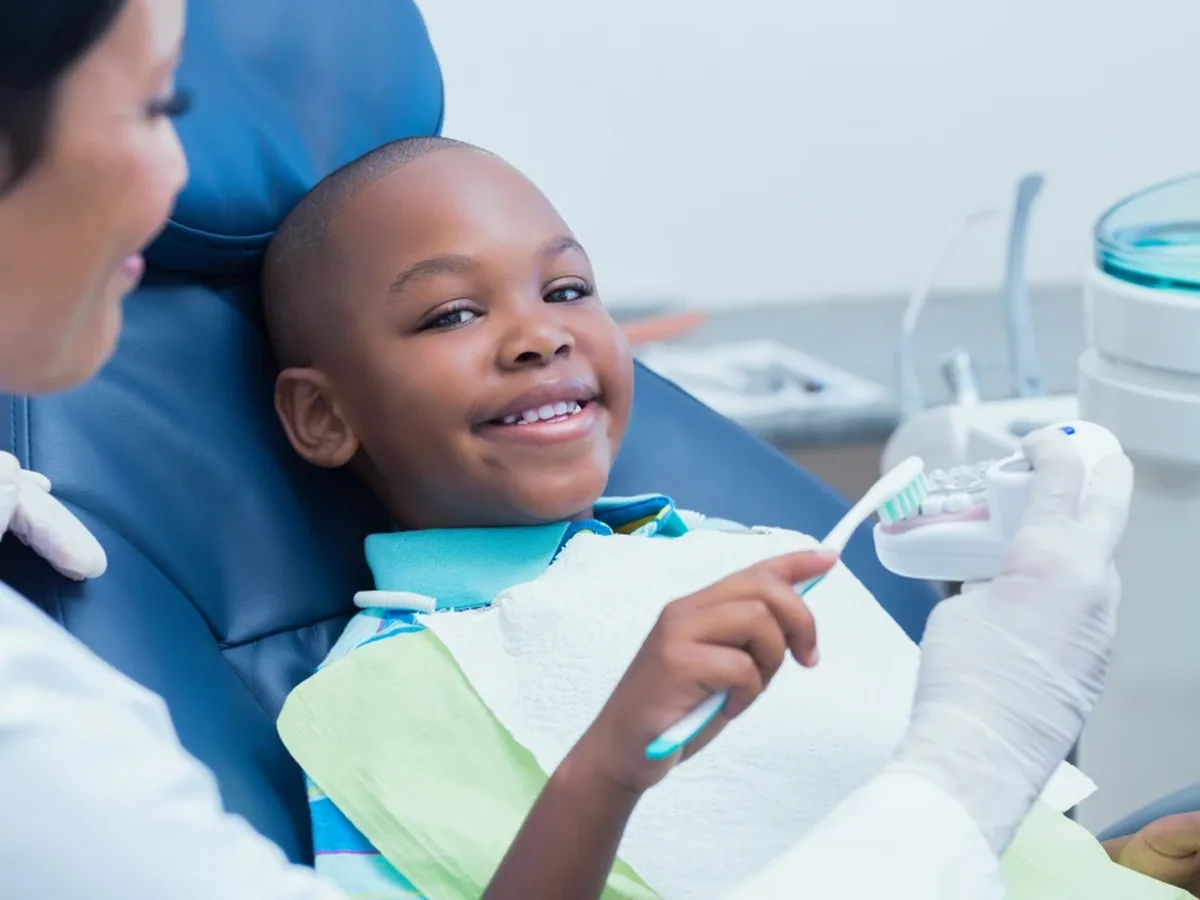
A young patient smiling during a visit

Facial Clues We Look For

Our team can often spot airway concerns in the way a child's face and teeth are developing:

  • A long or narrow face
  • Flat or poorly defined cheekbones
  • Crowded or crooked teeth
  • A lower jaw that sits back
  • A narrow upper jaw or high palate
A cheerful young boy holding a stuffed zebra

The Mouth Breathing Cycle

When a child breathes through the mouth, the tongue rests low instead of against the palate. Over time, this can lead to a narrow upper jaw, crowded teeth, and a smaller airway. A smaller airway can make mouth breathing worse. It becomes a cycle.

Breaking that cycle while your child is still growing can support healthier jaw growth, better sleep, and a more balanced bite.

A smiling boy in a light blue shirt at home

How We Screen

Airway health is part of every SmilePath™ visit. Our screening includes:

  • Questions for you about your child's sleep and breathing
  • An exam of the tonsils, tongue, palate, and jaw width
  • A check for tongue ties and tongue posture
  • A review of facial growth patterns
  • 3D imaging when needed to evaluate jaw development

We do not diagnose sleep apnea. That diagnosis is made by a physician, usually with a sleep study. Our role is to spot warning signs, share them with you, and work with your pediatrician, ENT, or sleep physician to get your child the right care.

A smiling girl resting on her bed with her chin in her hands

How We Help, All Under One Roof

Airway problems involve more than one part of the body, so they need more than one kind of expert. Our pediatric dentists and orthodontists work together in the same office.

Depending on what we find, your child's plan may include:

  • Palatal expansion: An orthodontic expander widens the upper jaw and the floor of the nose, which can help promote nasal breathing
  • Tongue and lip tie release: A gentle Solea laser frenectomy when tight tissue limits tongue function
  • Myofunctional therapy: Exercises that retrain tongue posture, lip seal, and nasal breathing, coordinated with trusted therapists
  • Habit correction: Help with thumb sucking and tongue thrusting
  • Referral and coordination: With your pediatrician, ENT, allergist, or sleep physician when needed

Why Alameda Pediatric Dentistry

A Few Things We Think You Should Know

Here Since 1971

One of the Bay Area's longest-serving pediatric dental practices, with families now bringing in their own kids.

The Only Practice of Our Kind

The Bay Area's only office pairing on-site wisdom teeth extractions with orthodontics and a fully equipped sedation center, all under one roof.

Hospital Privileges

Credentialed at UCSF Benioff and Kaiser Oakland. When your child needs hospital-based care, you won't be handed off to someone new.

The APD Membership Plan

No insurance? Our plan covers cleanings, exams, and routine X-rays, plus 20% off other procedures. No deductibles or waiting periods.

Plans start at $30/month

Learn More

FAQ

Frequently Asked Questions

Why does my child's dentist ask about sleep?

Pediatric dentists are experts in how the mouth and jaws grow. Many breathing problems show up in the mouth first. We see your child often, so we are well placed to spot warning signs early.

Is snoring normal for kids?

Occasional snoring during a cold is common. Regular snoring is not considered normal and should be checked.

Can a dentist diagnose sleep apnea?

No. Only a physician can diagnose sleep apnea, usually with a sleep study. We screen for warning signs and work with your child's physicians when further testing is needed.

How can mouth breathing affect my child's face and teeth?

Long-term mouth breathing can change how the jaws grow. It is linked with a narrow upper jaw, crowded teeth, a longer face, and a dry mouth that raises the risk of cavities.

Can poor sleep affect my child's behavior?

Yes. Children who do not sleep well can show daytime tiredness, irritability, and trouble focusing.

How does a palatal expander help breathing?

An expander widens the upper jaw. Because the upper jaw also forms the floor of the nose, expansion can create more room for nasal breathing in some children.

Can a tongue tie affect sleep?

Yes. A tight tongue can keep it from resting against the palate. This can contribute to mouth breathing, snoring, and restless sleep.

Will my child need their tonsils removed?

Not necessarily. Enlarged tonsils and adenoids are one possible cause of airway problems. If we see signs, we will refer you to an ENT, who will decide whether treatment is needed.

Connect With Us

Better Breathing. Better Sleep. Better Growth.

First visit for your baby or orthodontics for your teenager, we're ready. Request an appointment at any of our four Bay Area locations.

Locations
The practice exterior

Tell us how we are doing?